
A Personal Invitation to Morocco’s Living Heritage
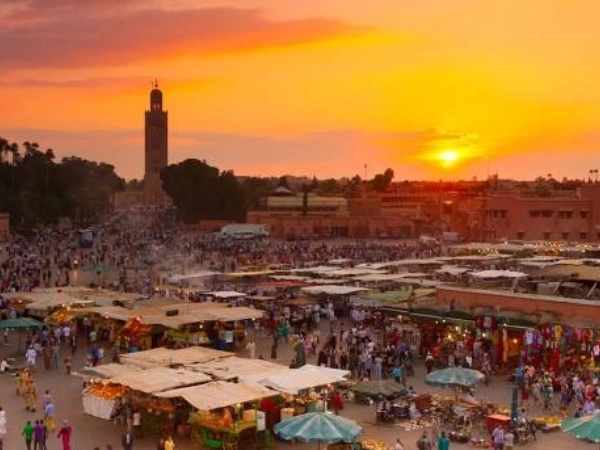
Picture yourself walking through the medina of Fez or the souks of Marrakesh. The air is thick with the scent of cedarwood and spices. You hear the rhythmic tapping of a metalworker shaping brass, the soft hum of a loom weaving wool into intricate patterns. These aren’t just crafts they’re living stories. Each item you touch carries the fingerprint of its maker and the echo of a tradition that refuses to fade.
Moroccan traditional crafts invite you to slow down, to connect, and to carry meaning. They’re not just beautiful they’re purposeful. And they’re waiting for you to discover them.
What Are Moroccan Traditional Crafts?
Moroccan traditional crafts are handmade items created using time-honored techniques passed down through generations. They reflect the country’s rich cultural tapestry Berber, Arab, Andalusian, and Saharan influences all woven into one.
Categories of Moroccan Crafts
- Textiles: Rugs, embroidery, kaftans
- Ceramics: Tagines, plates, zellige tiles
- Metalwork: Lanterns, trays, teapots
- Leather goods: Babouches, bags, poufs
- Woodwork: Thuya boxes, carved furniture
- Natural beauty products: Argan oil, rose water, ghassoul clay
These crafts aren’t just decorative. They serve daily functions, carry symbolic meaning, and support local economies.
Moroccan Textiles: Weaving Identity Into Every Thread
Textiles are among Morocco’s most iconic crafts. They’re tactile expressions of identity, often created by Amazigh women in remote mountain villages.
Berber Rugs and Kilims
Berber rugs are handwoven using wool and natural dyes. Each region has its own style:
| Rug Type | Region | Material | Symbolism |
|---|---|---|---|
| Beni Ourain | Middle Atlas | Wool | Protection, purity |
| Boujad | Haouz | Wool/Cotton | Femininity, joy |
| Azilal | High Atlas | Wool | Abstract stories |
These rugs aren’t just floor coverings they’re visual narratives. The symbols represent fertility, nature, and protection. You’ll often find asymmetrical patterns, a sign of the weaver’s personal touch.
Embroidery and Kaftans
Moroccan embroidery is meticulous and symbolic. Kaftans, worn during weddings and festivals, feature silk or gold thread stitched into geometric and floral designs. Each stitch tells a story of celebration and pride.

Moroccan Pottery and Ceramics: Earth Turned Into Art
Moroccan ceramics are functional and decorative, often used in cooking and serving.
Fez Blue Pottery
Fez is famous for its cobalt blue pottery, inspired by Islamic geometry. These pieces are often used for tagines, plates, and decorative tiles.
Safi Ceramics
Safi’s pottery is known for its vibrant colors and floral motifs. These ceramics are durable and widely exported.
Tagine Recipe Table: Craft Meets Cuisine
| Ingredient | Quantity | Notes |
|---|---|---|
| Lamb or chicken | 500g | Traditionally cooked in tagine |
| Preserved lemon | 1 whole | Adds depth and acidity |
| Green olives | 100g | Briny contrast |
| Moroccan spices | 2 tbsp | Ras el hanout blend |
| Onion | 1 large | Caramelized base |
Cooking in a tagine isn’t just about flavor it’s about ritual. The clay vessel retains moisture and infuses the dish with earthy undertones.
Metalwork and Woodcraft: The Hands That Shape Morocco
Moroccan metalwork and woodcraft are deeply rooted in Islamic art and local traditions.
Brass and Copper Artisans
In Marrakesh and Fez, you’ll find artisans hand-hammering brass and copper into lanterns, trays, and teapots. These items often feature filigree and geometric patterns.
Thuya Wood from Essaouira
Thuya wood is aromatic and unique to Morocco. Artisans carve it into boxes, chess sets, and furniture. The wood’s natural scent and grain make each piece one-of-a-kind.

Moroccan Leather: From Tannery to Treasure
Leatherwork in Morocco is both ancient and vibrant. The Chouara Tannery in Fez is one of the oldest in the world.
The Tanning Process
Artisans use natural dyes saffron for yellow, poppy for red, indigo for blue. The process is labor-intensive and eco-conscious.
Babouches and Bags
Babouches are traditional slippers, often made from goat or cow leather. They come in pointed or rounded styles and are popular in global fashion. Leather bags and poufs are also handcrafted and dyed using traditional methods.

Beauty and Wellness: Moroccan Crafts for the Body and Soul
Moroccan beauty rituals are rooted in natural ingredients and centuries of tradition.
Argan Oil
Sourced from the argan forests of Souss-Massa, argan oil is cold-pressed by women’s cooperatives. It’s used for skin, hair, and culinary purposes.
Rose Water and Ghassoul Clay
Used in hammam rituals, rose water soothes the skin while ghassoul clay detoxifies. These products are often packaged in handmade containers, adding a layer of craft to wellness.
Where to Find Authentic Moroccan Traditional Crafts
You’ll find crafts in souks, artisan villages, and curated boutiques. Here’s where to look:
Best Places to Shop
- Marrakesh: Souk Semmarine, Ensemble Artisanal
- Fez: Medina, Place Seffarine
- Tamegroute: Green pottery village
- Essaouira: Woodcraft and jewelry
Ethical Shopping Tips
- Choose fair trade cooperatives
- Ask about the artisan’s story
- Avoid mass-produced imitations
- Look for handmade details and regional styles

FAQ: Moroccan Traditional Crafts
What makes Moroccan traditional crafts unique?
They blend cultural symbolism, natural materials, and centuries-old techniques into functional art.
Are Moroccan crafts sustainable?
Yes. Many are made using eco-friendly methods and support local communities, especially women’s cooperatives.
Can you buy Moroccan traditional crafts online?
Absolutely. Many artisans now sell through curated platforms and ethical marketplaces.
How do you know if a craft is authentic?
Look for handmade imperfections, regional motifs, and ask sellers about the origin and process.
Conclusion: Carry Morocco With You
Moroccan traditional crafts are more than objects they’re experiences. They connect you to a culture that values beauty, meaning, and community. Whether you’re sourcing products, building a brand, or simply exploring, these crafts offer depth and authenticity.
Now it’s your turn. Visit a souk, speak to an artisan, or curate a collection that tells a story. Let Morocco’s heritage become part of yours.