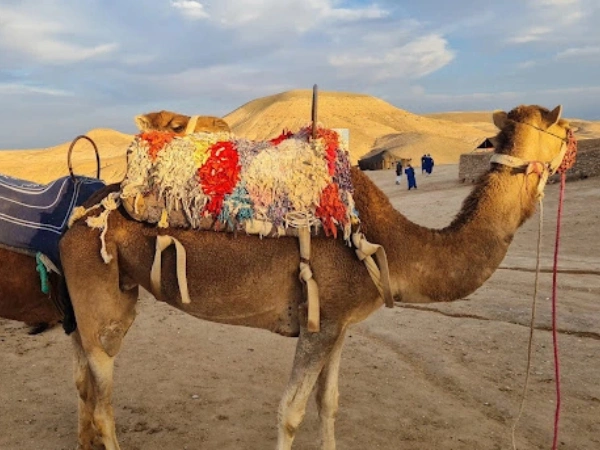
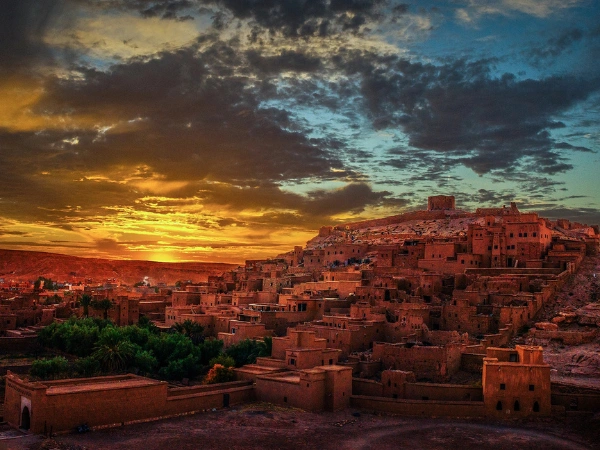
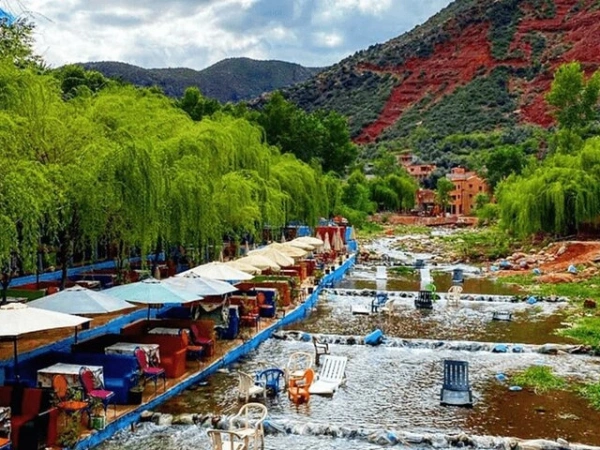
If you’ve ever felt the pull of a place before you even arrived an instinct that whispers, “This is where you’ll find something real” then Amazigh cultural tours in Morocco might be exactly what you’re seeking. These journeys aren’t about ticking off tourist sites. They’re about stepping into stories, sharing meals with families, and walking paths carved by centuries of tradition. You won’t just visit Morocco. You’ll feel it.
What Are Amazigh Cultural Tours in Morocco?
Understanding the Amazigh Identity
The Amazigh people often referred to as Berbers are the indigenous inhabitants of North Africa. Long before Arab dynasties and European colonization, Amazigh tribes roamed the mountains, deserts, and coastlines of Morocco. Their name means “free people,” and their culture reflects that spirit: resilient, generous, and deeply connected to the land.
You’ll notice their presence in the language (Tamazight), the geometric tattoos, the silver jewelry, and the hospitality that greets you in remote villages. These tours are designed to immerse you in that world—not as a spectator, but as a welcomed guest.
Why These Tours Matter
- They preserve endangered traditions through storytelling, crafts, and cuisine.
- They support local economies by hiring Amazigh guides and staying in family-run guesthouses.
- They offer you a slower, more meaningful way to travel one that prioritizes connection over consumption.

Top Amazigh Cultural Tour Destinations in Morocco
High Atlas Mountains
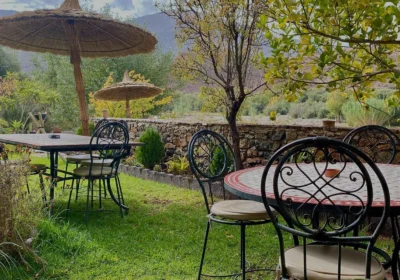
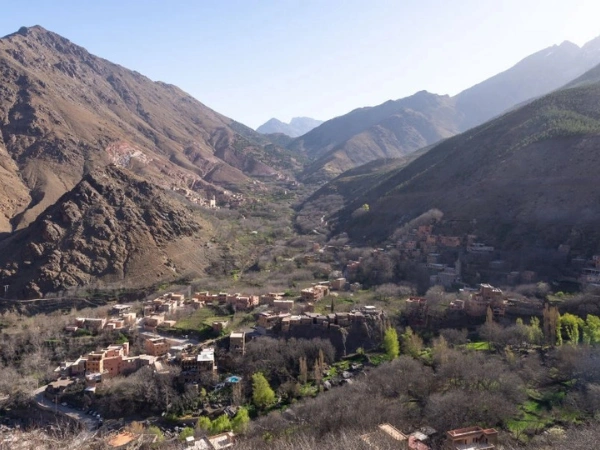
If you’re drawn to dramatic landscapes and intimate village life, the High Atlas is your starting point. You’ll trek through valleys like Ait Bouguemez, meet shepherds in Tacheddirt, and share mint tea in homes built from earth and stone.
- Stay in eco-lodges or Amazigh family homes.
- Learn traditional bread-making and wool weaving.
- Hike with guides who know every trail and tale.
Anti-Atlas & Ait Atta Region
This lesser-known region offers a raw, spiritual experience. You’ll explore prehistoric rock carvings, meet nomadic families near Jbel Saghro, and witness rituals that haven’t changed in centuries.
- Visit ancient granaries and sacred springs.
- Camp under stars with Amazigh hosts.
- Discover oral histories passed down through generations.
Middle Atlas & Zayanes Territory
Here, the cedar forests and cool climate create a different rhythm. You’ll attend music festivals, join cultural workshops, and explore towns like Azrou and Khenifra.
- Participate in Tamazight language classes.
- Experience Amazigh music and dance.
- Visit cooperatives that produce rugs and herbal remedies.
Amazigh Cuisine: Recipes That Tell Stories
Food is more than sustenance—it’s storytelling. Amazigh dishes reflect the seasons, the terrain, and the values of sharing and simplicity.
Signature Dishes You’ll Taste or Learn
- Aghroum: Flatbread baked in clay ovens, often served with olive oil and wild herbs.
- Tagoula: Barley porridge enriched with honey and thyme.
- Taktouka: A zesty salad of roasted peppers and tomatoes.
- Couscous: Made with wild greens and served during celebrations.
Sample Recipe: Tagoula
| Ingredient | Quantity | Notes |
|---|---|---|
| Barley flour | 1 cup | Preferably stone-ground |
| Water | 2 cups | Lukewarm |
| Olive oil | 2 tbsp | Extra virgin |
| Salt | 1 tsp | Optional |
| Wild thyme | 1 tsp | Or substitute with oregano |
| Honey | To taste | For serving |
Mix the flour and water into a smooth paste, cook slowly over low heat, stir in olive oil and thyme, and serve with honey. It’s simple, nourishing, and deeply symbolic of Amazigh hospitality.

Amazigh Arts, Symbols, and Craftsmanship
Iconic Symbols and Their Meanings
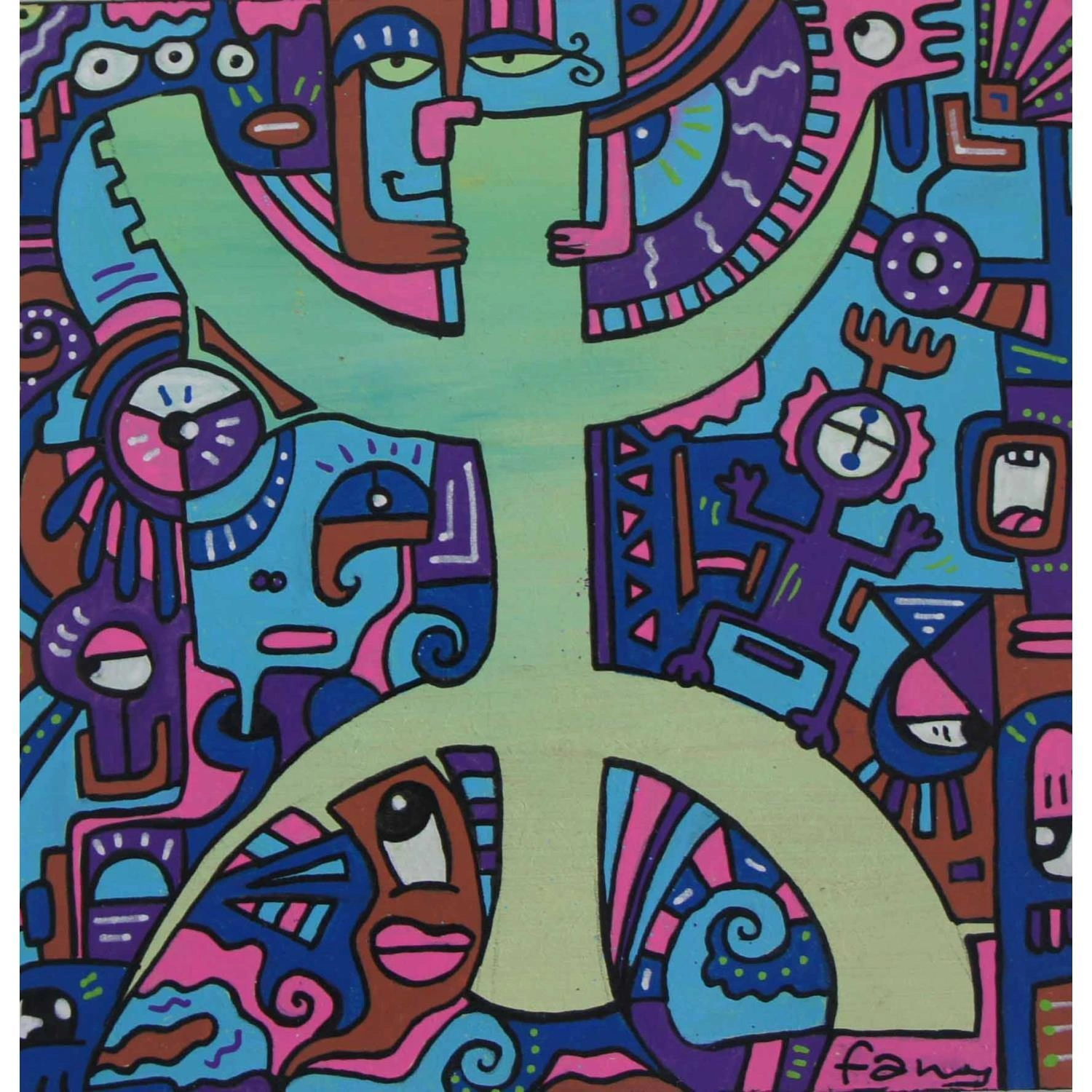
You’ll encounter the ⵣ symbol (Yaz), which represents freedom and identity. It’s etched into jewelry, woven into rugs, and painted on doors. These symbols aren’t decorative they’re declarations.
Traditional Crafts
- Rugs: Each region has its own style Zemmour for bold reds, Beni Ouarain for minimalist whites.
- Jewelry: Silver pieces from Tiznit often include protective talismans.
- Pottery: Hand-shaped and sun-dried, often painted with Tifinagh script.
Where to Experience or Buy
- Visit artisan cooperatives in the Rif and Middle Atlas.
- Join workshops in Marrakesh or Taroudant.
- Buy directly from families during your tour.

Language and Storytelling: The Heart of Amazigh Culture
Tamazight Language Basics
You don’t need to be fluent, but learning a few phrases opens doors. “Azul” means hello. “Tanmirt” means thank you. These words carry weight they show respect.
Participatory Experiences
- Sit by the fire and hear folktales about djinns, warriors, and wise women.
- Learn to write your name in Tifinagh script.
- Record your own travel story in a shared journal passed between guests.
Sustainable and Ethical Travel with Amazigh Communities
How These Tours Empower Locals
When you choose an Amazigh cultural tour, your money goes directly to the people who host you. It funds education, preserves traditions, and builds pride.
What Ethical Travel Looks Like
- Stay in guesthouses run by Amazigh families.
- Hire guides who speak Tamazight and know the land.
- Avoid staged photo ops—seek real moments.
You’re not just a traveler. You’re a participant in a cultural exchange that benefits everyone involved.
FAQs About Amazigh Cultural Tours Morocco
What makes Amazigh cultural tours different from regular Morocco tours?
These tours prioritize immersion over itinerary. You’ll live the culture, not just observe it.
Are Amazigh cultural tours suitable for families or solo travelers?
Absolutely. Small group sizes and flexible plans make them ideal for all types of travelers.
Do I need to speak Tamazight to enjoy the experience?
No. You’ll learn key phrases, and guides often speak English, French, and Arabic.
How can I ensure my tour is ethical and authentic?
Choose operators who partner with local communities, offer transparent pricing, and avoid mass tourism tactics.
Conclusion: Let the Amazigh Spirit Guide You
You came looking for something deeper—and you found it. Amazigh cultural tours in Morocco offer more than landscapes and legends. They offer belonging. You’ll leave with memories etched in your heart, recipes in your notebook, and friendships that defy borders.
If you’re ready to experience Morocco through the eyes of its first people, start planning your journey today. Choose a tour that honors tradition, supports communities, and welcomes you into the fold.